

Industrial Laundry Key Performance Indicators for Tracking Productivity, Efficiency and Quality
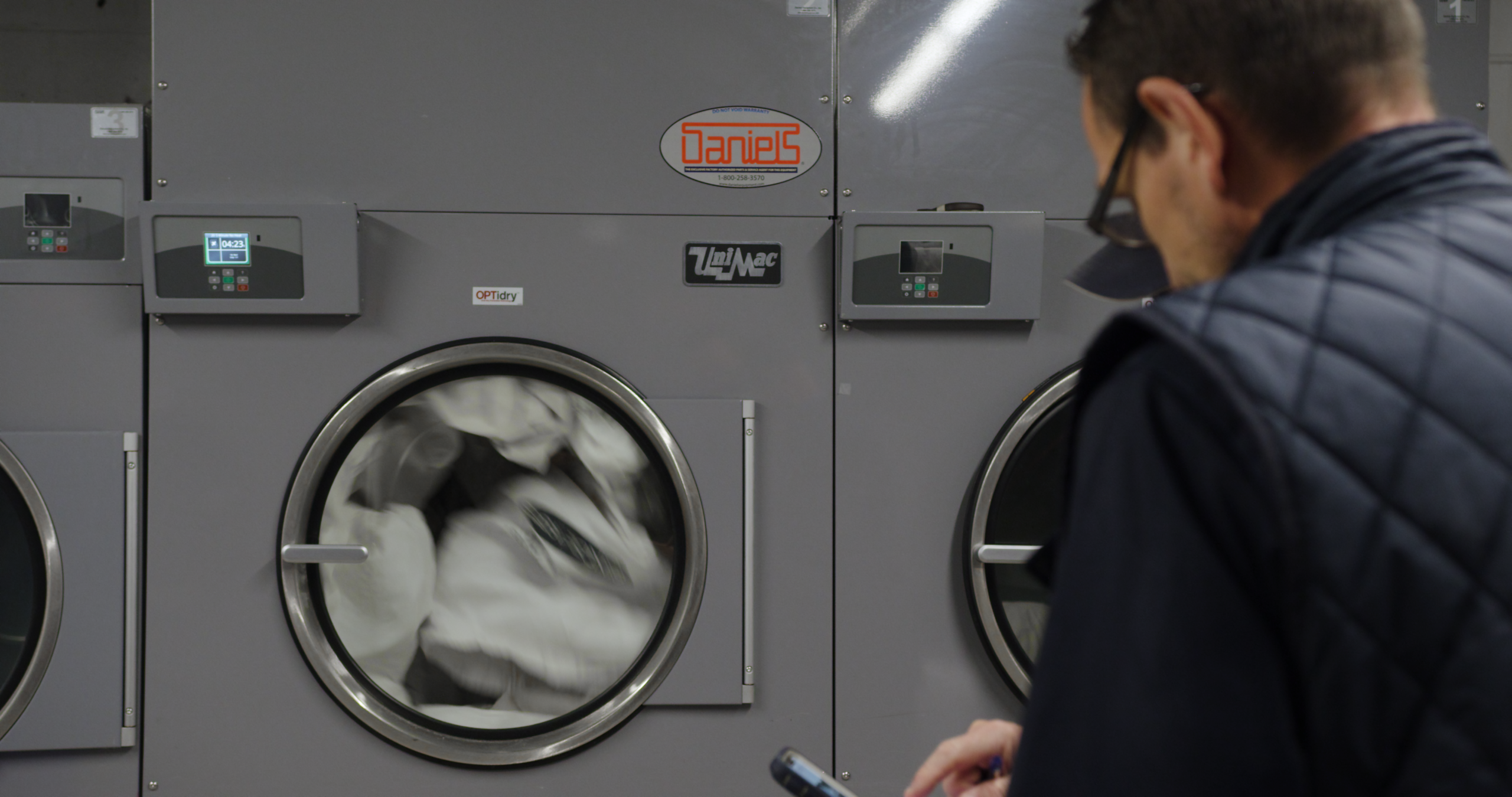
Key performance indicators, or KPIs, can help on-premises laundry (OPL) managers spot bottlenecks before they become linen shortages or rising costs. When dry times creep up or clean quality fails inspection, a focused KPI dashboard shows whether your on-premises laundry is keeping up with demand, using resources effectively and protecting linen standards. UniMac® industrial laundry equipment is built to support that level of proven operational control.
Start with the metrics that show where your laundry facility’s time, labor, utilities and linen are being lost. Then use those trends to make smart decisions about process changes, staffing needs and UniMac® on-premises laundry equipment use.
1. Productivity KPIs to Keep Industrial Laundry Moving
Are you processing enough laundry to keep up with daily facility demand? Productivity KPI metrics can help identify when staff scheduling or workflow issues are slowing output before they turn into linen shortages.
- Pounds per labor hour (PPH/LPH): Baseline productivity. Track by shift and major linen types.
- Output vs. demand: Daily pounds versus occupancy, census or team usage to confirm par coverage.
- On-time delivery or fill rate: Complete, on-schedule delivery against your facility’s par levels is a key indicator of consistency.
2. Efficiency KPIs for On-premises Laundry Cost Control
To help you determine resource usage, efficiency KPIs track labor, utilities, chemicals and equipment. Review the results to identify waste, uncover process issues and spot where cost control may need attention.
- Cost per pound (or per occupied room / resident day): Rolls up staff, utilities, chemicals and maintenance for facility reporting.
- Equipment utilization (%): Washer and dryer run time versus idle time; exposes staging, staffing or scheduling issues.
- Dryer minutes per load (or per pound): Flags poor extraction, overloads, airflow restrictions, over-drying, improper cycle selection or formula drift.
- Utilities per pound: Water, gas and electric levels show waste and support conservation goals.
- Chemical use per pound and dispense accuracy: Catches overfeed (cost, residue) and underfeed (stains, odor, rewash).
3. Quality KPIs That Protect Industrial Laundry Linen Standards
Tracking quality KPIs helps show whether linen is being processed to the standards your facility requires. Use the learnings to address rewash, damage, complaints and compliance concerns before they affect linen availability, replacement needs or overall laundry flow.
- Rewash rate (%): The strongest quality-and-cost signal. Track reasons (stains, odor, sorting errors, incorrect cycle selection).
- Rejects and returns by reason: Holes, tears, stains and damage are often tied to over-drying, misclassification or aging stock.
- Complaint rate: Log issues per 1,000 pounds (stains, odor, lint, shortages) instead of relying on anecdotes.
- Linen lifespan or replacement rate: Spikes can indicate mechanical stress, over-drying, incorrect cycle selection or misuse.
- Cycle audit / process compliance: Periodically confirm which wash and dry cycles are actually being run against your program’s specification, to catch drift before it affects quality or cost.
- Compliance checks (as needed): These are especially needed in long-term care, process validation and separation practices.
Turn Industrial Laundry KPIs Into Action
Begin by focusing on five to seven KPIs, review weekly and post a one-page dashboard. Many sites get strong control from: PPH, cost per pound, rewash rate, on-time delivery, dryer minutes per load and rejects or returns. As a starting point, rely on your equipment distributor and chemical company representative to assist with gathering relevant information. Working with many facilities, they can often provide comparable averages and greater context.
UniMac industrial laundry equipment is engineered to support efficient, high-throughput OPL operations and the right KPI foundation helps you get the most from your equipment.
Download the KPI tracker below to get started.
Frequently Asked Questions About Industrial Laundry KPIs
What are the most important industrial laundry KPIs to track?
The most important industrial laundry KPIs are PPH/LPH, cost per pound, rewash rate, on-time delivery or fill rate, dryer minutes per load, rejects and returns and utilities per pound. Together, these proven metrics give OPL managers a reliable view of productivity, efficiency and linen quality across high-performance operations.
How often should on-premises laundry KPIs be reviewed?
Most on-premises laundry teams should review core KPIs weekly. High-volume facilities may review daily output, rewash rate and on-time delivery and fill rate more often to catch issues faster.
How can industrial laundry equipment affect cost per pound?
Industrial laundry equipment can affect cost per pound through water use, extraction, drying time, cycle programming, utility consumption and maintenance needs. Efficient equipment can help reduce waste and support the lowest cost of ownership.
When should a facility evaluate its on-premises laundry equipment?
A facility should evaluate its on-premises laundry equipment when KPIs show rising utility use, longer dry times, more rewash, higher maintenance needs or inconsistent linen availability. Results may signal that equipment, workflow or formulas need a closer look. Sustained trends across multiple KPI categories, rather than a single week of data, are the strongest indicator that a formal needs assessment is warranted.
Still have questions?
