

Industrial Laundry Equipment Maintenance: Four Habits That Protect Your Investment
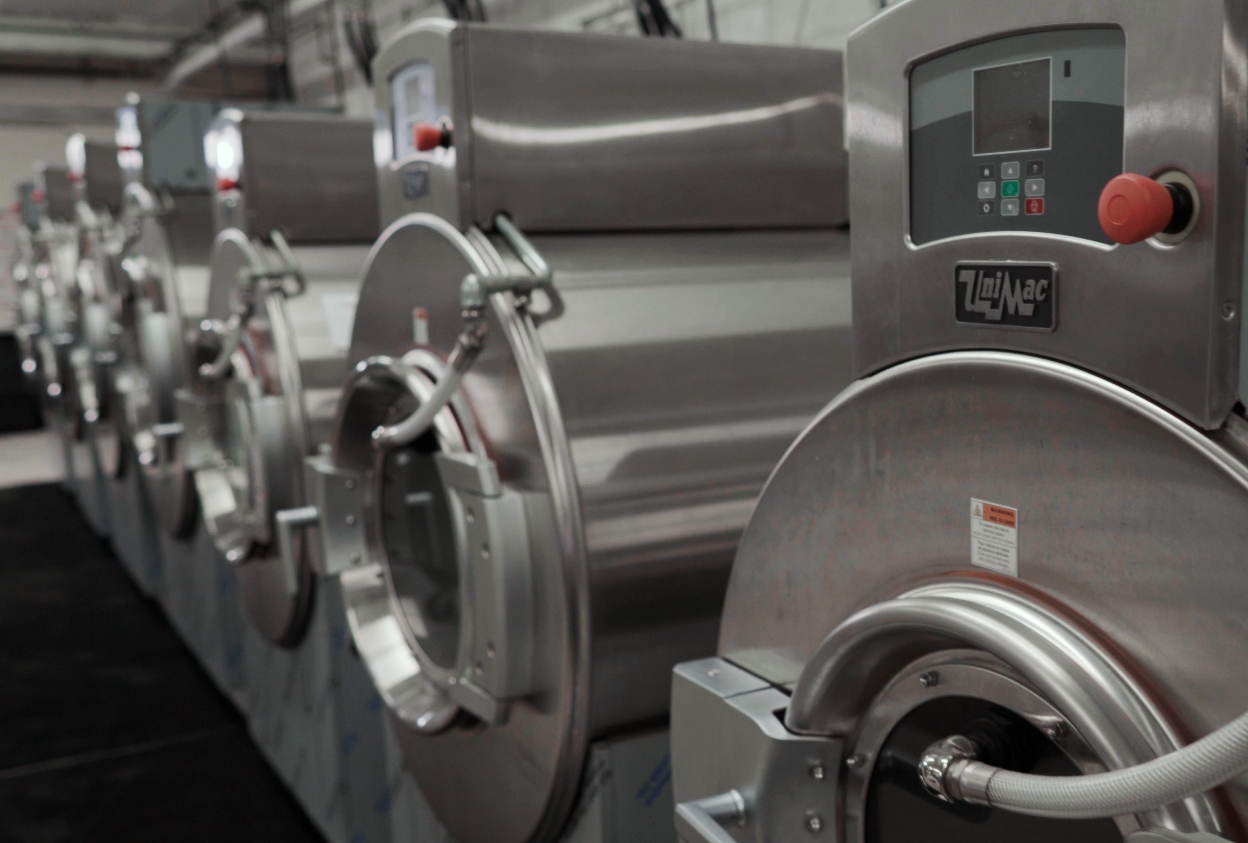
It's Monday morning, and the largest washer-extractor in the building won't start. Laundry is already behind and the earliest service appointment isn't until Thursday. Sound familiar? Many facility managers only get to know their on-premises laundry equipment after something breaks, when the fix costs far more than it would have a month ago.
If you're looking for fewer surprise breakdowns and long-term support for the equipment you've already invested in, this post is for you.
1. Build a Weekly Lint and Airflow Clean-up Routine
Dryer lint buildup is one of the most common, preventable causes of laundry equipment downtime. A clogged lint screen or blocked exhaust duct forces a dryer to work harder, which extends cycle times and can add wear that shows up later as a repair bill.
A simple, five-minute walkthrough of your laundry room can go a long way:
- Clear lint screens after every shift, not just when they look full
- Inspect exhaust ducting for blockages at least once a week
- Watch for longer-than-normal dry times, which often signal an airflow problem before anything fails outrigh
Bonus tip: Spend less time on lint management with ProCapture™ by UniMac®, dryer technology that's designed to help manage lint at the source.
2. Watch for Early Warning Signs, Not Just Failures
By the time a machine stops running, the underlying issue has usually been building for a while. Unusual noises, longer cycle times, error codes that clear themselves or a machine that seems to run hotter than usual are all signals worth investigating before they turn into a full stop.
A few signs facility teams should treat as prompts to look closer, not ignore:
- A cycle that used to take 40 minutes now regularly takes 55
- An error code that appears, clears and reappears days later
- Vibration or noise that is new, even if the machine still finishes the cycle
Catching these issues early typically means a scheduled service visit instead of an emergency one, and a shorter repair instead of a full-day outage.
3. Keep a Simple Preventive Maintenance Log
A maintenance log doesn't need to be complicated to be useful. Its value comes from making patterns visible that would otherwise get lost between shifts, especially in facilities where more than one person touches the laundry room.
A basic log should capture:
- Date and machine ID for every service action, however minor
- What was checked or repaired, and by whom
- Any error codes observed, even ones that resolved on their own
When a distributor technician does need to come out, a documented history helps them diagnose the issue faster and arrive with the right equipment parts, instead of starting from scratch.
4. Let Connected Data Do Some of the Watching
Manual checks matter for industrial laundry equipment, but they only happen when someone has the time to do them. With laundry management technology, facility managers have easy, remote access to operations data, service alerts and equipment status.
UniMac CORE delivers a smarter way to do laundry, offering:
- Service alerts flag issues between manual checks, not just during them
- Equipment status data helps confirm whether a slowdown is isolated to one machine or a pattern across several
- A weekly look at CORE data takes minutes and adds a layer of visibility a walkthrough alone can't match
The goal is not to replace a maintenance routine with technology. It is to make the routine easier to keep.
Ready to Build a Maintenance Routine That Sticks?
None of these habits require specialized training or extra headcount. They just need a routine, and equipment engineered to make that routine easier to keep, not harder.
Talk to a distributor about how UniMac industrial laundry equipment and technology can help meet the needs of your on-premises facility.
