

9 Common Mistakes When Spec’ing Washer-Extractors and Tumble Dryers for On-Premises Laundry
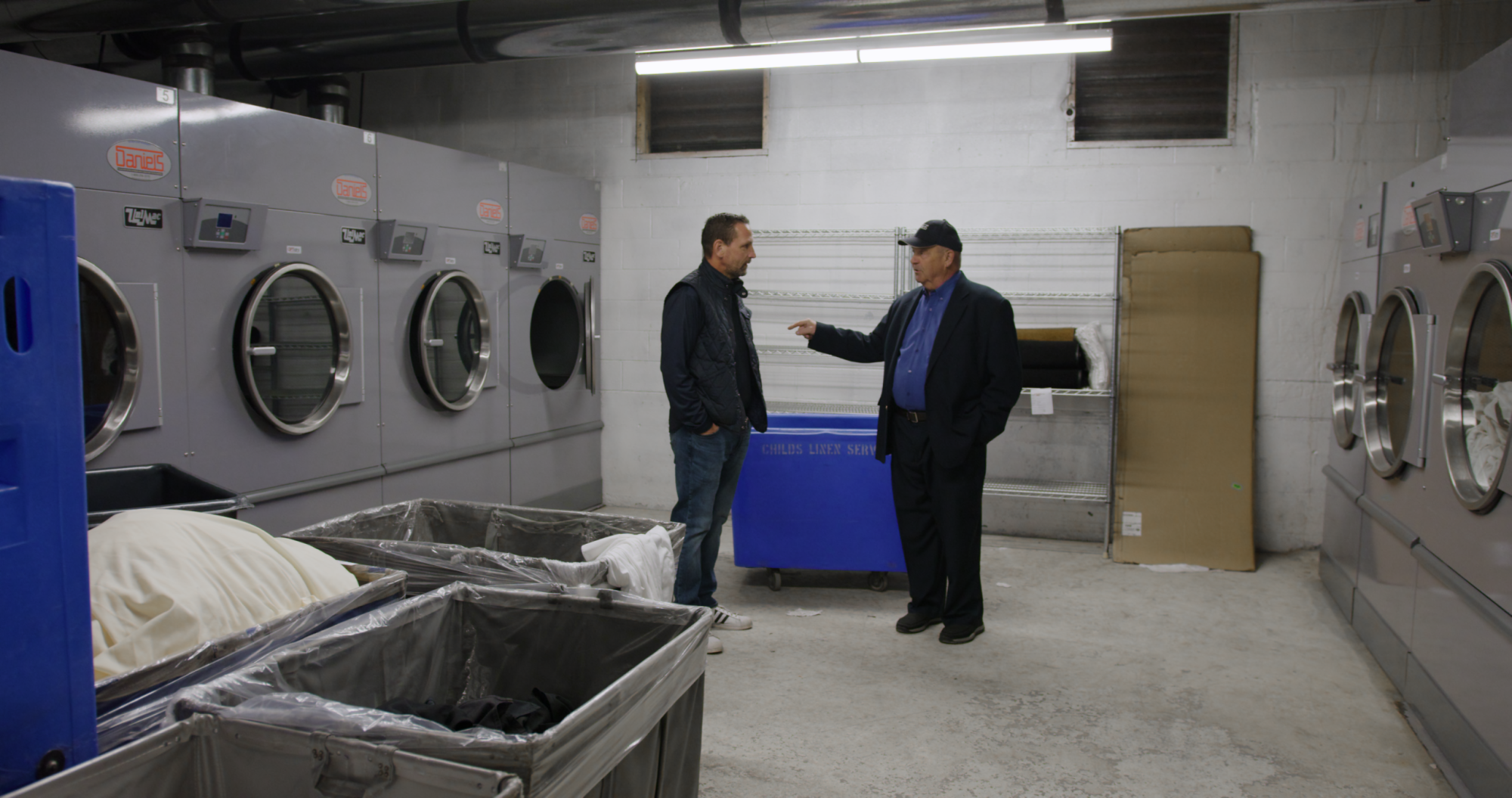
Getting OPL equipment right the first time is one of the most impactful decisions a laundry manager can make. Spec it well and your operation runs efficiently for years. Spec it wrong and the problems, bottlenecks, high utility costs, inconsistent linen quality, frustrated staff, show up fast and compound over time. UniMac has supported on-premises laundry operations across hospitality, long-term care, athletics, fire/EMS, and beyond for decades. Here are nine of the most common spec’ing mistakes, and how to avoid them.
1. Sizing to “peak day” without a workflow plan
Buying machines to cover worst-case volume can lead to overcapitalization and poor day-to-day loading. Instead, confirm your average and peak pounds, operating hours, and staffing model, then plan for steady throughput with realistic cycle times and changeover. Keep in mind that laundry at most facilities does not arrive all at once. It flows in throughout the day. Multiple smaller-capacity machines often deliver better throughput and operational flexibility than a single large-capacity unit.
2. Mismatching washer capacity to dryer capacity
A frequent issue is pairing a washer and dryer by “rated pounds” rather than how loads actually dry. Dryers are sensitive to goods type and moisture remaining after extraction. If dryers are too small or too few, they become the bottleneck. If they are oversized, they waste energy and floor space. Match dryer capacity to the realistic output of your washer-extractors.
3. Ignoring extraction performance (G-force)
Washer-extractor extraction performance directly affects dryer time, energy use, and throughput. Evaluating solely on wash capacity and skipping G-force specs can lock your operation into longer dry cycles for the life of the equipment. Match G-force rating and programming flexibility to your textile mix and productivity goals.
4. Overlooking the linen mix and soil profile
“Pounds per day” is not enough information. Sheets, terry, microfiber mops, athletic gear, and resident clothing behave very differently in both wash and dry. Under-spec’ing controls, cylinder size, reversing action, or airflow can drive rewash, odor complaints, or fabric damage, all of which cost time and add labor.
5. Underestimating utilities and infrastructure
Equipment specs do not matter if the building cannot support them. Common misses include:
- Inadequate gas service or electrical capacity
- Poor make-up air and exhaust for dryers
- Insufficient water pressure, flow, drainage, or hot water recovery
These gaps reduce performance, increase dry times, and create reliability issues before the first load is even washed.
6. Choosing controls that do not match the operation
Advanced controls help only if they are actually usable. Look for programmability, recipe control, and data outputs that match staff skill levels and compliance needs, particularly in care environments. User-friendly touchscreens that use plain-language labels and offer multiple language options reduce the risk of cycle selection errors and simplify onboarding.
7. Forgetting ergonomics and material handling
Many OPL problems are “between the machines.” Tight layouts, poor cart flow, inadequate staging, and non-ideal load heights reduce pounds per labor hour more than most laundry managers expect. Plan for sorting space, staging areas, clean and soiled separation, cart paths, and adequate shelf storage before finalizing equipment selection.
8. Not planning for maintenance and downtime
Access panels, lint management, service clearances, and parts availability all affect uptime. A dryer with poor lint access or poor duct design loses efficiency quickly. Build a plan for preventive maintenance, staff training, and service response before equipment arrives, not after the first breakdown.
9. Buying on price alone instead of evaluating total cost
Lowest purchase price may not reflect total cost of ownership. Utilities, rewash rates, and linen replacement all factor into the true cost of equipment over its operating life. Evaluate using energy and water use, cycle times, expected lifespan, warranty terms, and service support, and factor in the productivity cost of bottlenecks.
The right spec starts with your operation
The best equipment packages are built around your linen mix, staffing model, utilities, and workflow, not just machine ratings. When you validate throughput from wash through extract through dry, confirm infrastructure before installation, and design for consistent daily operation, you can head off the most expensive surprises and build an operation designed for reliable, long-term performance.
A full-service UniMac distributor can perform a complete needs analysis and design an equipment package that addresses current requirements while building in flexibility for growth.
