

Nursing Home Laundry Procedures: Your Guide TO Ensuring Safety and Efficiency
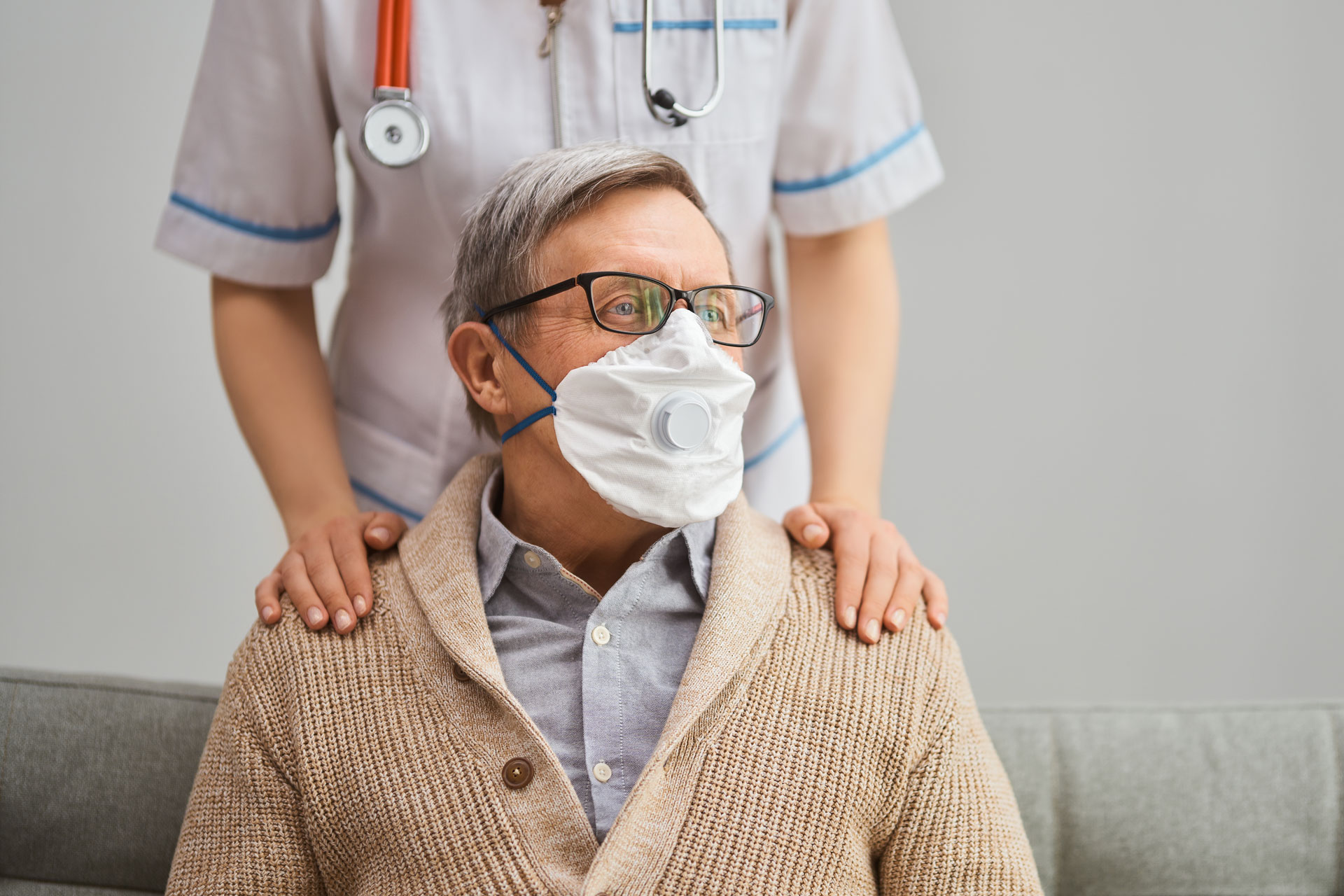
In healthcare settings, specifically in eldercare and assisted living facilities, following correct nursing home laundry procedures is crucial to preventing the spread of highly contagious viruses, like coronavirus, and other bacteria among staff and patients.
Nursing homes, assisted living facilities and other healthcare centers process an enormous amount of laundry, including bed sheets, blankets, towels and personal clothing. It’s estimated that approximately 5 billion pounds of laundry are washed and dried in healthcare settings annually. Every day, these facilities deal with contaminated fabrics, so the improper handling and washing of these textiles can result in the spread of bacteria, viruses and ectoparasites, causing severe complications for patients and caregivers.
To combat these dangers, follow these Centers for Disease Control and Prevention (CDC) guidelines for managing assisted living laundry:
MINIMIZING BACTERIA SPREAD DURING LAUNDRY TRANSPORT
For effective nursing home laundry procedures, reduce handling and avoid agitation of soiled laundry to minimize bacteria spread. Don’t rinse or sort soiled laundry at the location where it was used, such as the patient’s room or in a surgical area. Instead:
- Immediately put laundry in bags or appropriate containers at the source ad secure them. Use leak-resistant containers for wet laundry, to prevent soaking through cloth bags.
- Clearly mark contaminated bags with labels or color codes to ensure safe handling. Use red bags or ones marked with ta biohazard symbol, if universal precautions aren’t followed.
- Don’t squeeze or hold the bags near the body during transport to avoid puncturing.
- Once properly secured and labeled, transport to the on-premises laundry equipment area for proper handling.
MAKING HAND-WASHING STATIONS READILY AVAILABLE
Quality on-premises laundry equipment is vital, and so is proper hygiene. When working in nursing homes, long-term care facilities and other healthcare operations must have proper handwashing stations readily accessible, especially when handling soiled linens. Employees should refrain from touching their eyes, nose and mouth with unwashed hands.
Studies show that washing hands regularly can reduce the spread of illness and infection. The CDC recommends at least 20 seconds of hand washing with warm, soapy water. If unavailable, hand sanitizer containing at least 60% alcohol should be used, making sure to cover all surfaces of their hands and rubbing them together until they feel dry.
WEARING APPROPRIATE PPE WHEN HANDLING SOILED FABRICS
When handling linens, especially in assisted living laundry environments, laundry workers should wear appropriate personal protective equipment or PPE. Wearing a mask and thick medical gloves when handling and sorting soiled fabrics can minimize breathing in contaminates and lessen potential injury from needles and other sharp items accidentally mixed in with the laundry.
The CDC also recommends cloth face coverings to help curb COVID-19 transmission, especially where social distancing is challenging. Cloth face coverings should:
- Be machine washable and used consistently to maintain effectiveness
- Fit snugly but comfortably against the side of the face
- Be secured with ties or ear loops
- Include multiple layers of fabric
- Allow for breathing without restriction
Designing a Functional On-Premises Laundry Room
Partition your long-term care facility’s on-premises laundry equipment area to prevent contamination. Allocate distinct zones for dirty and clean laundry. For facilities planning upgrades or renovations, UniMac® Alliance Laundry Systems provides resources that aid in designing safe and efficient setups for on-premises laundry rooms at senior-care centers.
If you’re considering updating or renovating your long-term care center’s laundry area, UniMac offers resources for architects for designing a functional and safe space.
KEEPING LAUNDRY EQUIPMENT CLEAN AND WELL-MAINTAINED
All washing machines and dryers in healthcare settings should be properly maintained according to the manufacturer’s instructions. To prevent microbial contamination of your commercial laundry equipment:
- Remove solids such as feces or vomit before the wash/dry cycle.
- Follow the recommended temperature, detergent and laundry additive guidelines.
- Don’t leave damp textiles in machines overnight.
- Provide proper washing instructions for scrubs/uniforms or wash on site.
Although OSHA regulations forbid personal protective apparel laundering at home, there is debate overextending this to scrubs and uniforms. To be safe, the preferred protocol is on-site laundering with clear guidelines on handling and hygiene.
USING HOT WATER WASHES TO BANISH BACTERIA
Hot water is a game-changer for sanitizing healthcare laundry. CDC guidelines recommend washing at 160°F (71°C) for a minimum of 25 minutes. In addition, the use of chlorine bleach assures an extra margin of safety. Chlorine bleach becomes activated at water temperatures of 135°F–145°F (57.2°C–62.7°C).
Alternative Options
Laundries are typically the largest users of hot water in healthcare and long-term care facilities and can consume 50% to 75% of the total hot water—that’s an average of 10% to 15% of the total energy used by the healthcare facility. For healthcare laundries looking to reduce costs and energy use, cutting back on hot water is an option.
Research has shown that lower water temperatures (71°F–77°F) can reduce microbial contamination, as long as the washer cycles, detergent and other laundry additives are monitored carefully.
ENSURING CHEMICAL SAFETY AND COMPLIANCE
Label all soaps, detergents and chemicals in healthcare laundry rooms to prevent injury. Facilities should implement a written program that meets the requirements of the OSHA Hazard Communication Standard. Properly store soaps and chemicals and quickly clean up spills. Following these guidelines for laundry in healthcare facilities can help keep staff and residents safe and healthy.
